
Understanding Breathlessness and Panic: Common Causes, Effects, and Relief Through Medical Massage
Breathlessness and feelings of panic can strike suddenly, leaving a person overwhelmed and struggling to regain control. These sensations often feed into each other, creating a cycle that feels hard to break. Understanding why breathing becomes difficult and why panic sets in is key to managing these experiences. This post explores common causes such as anxiety and asthma, explains how these conditions can trigger panic, and highlights how medical massage offers practical relief by promoting relaxation and improving breathing.

Why Breathing Feels Difficult
Breathlessness, or shortness of breath, happens when the body senses it is not getting enough air. This can feel like tightness in the chest, rapid breathing, or a struggle to take a full breath. Several health conditions and emotional states can cause this sensation.
Anxiety and Panic Attacks
Anxiety is one of the most common reasons for sudden breathlessness. When the brain perceives danger, it triggers the body's fight-or-flight response. This response speeds up breathing to prepare for action, but sometimes breathing becomes too fast or shallow, causing dizziness and a feeling of suffocation. This can quickly lead to panic, as the body reacts to the sensation of not getting enough air.
Panic attacks often include:
Rapid, shallow breathing (hyperventilation)
Chest tightness or pain
Feeling dizzy or lightheaded
A strong urge to escape or flee
These symptoms can feel overwhelming and frightening, making it harder to calm down and breathe normally.
Asthma and Respiratory Conditions
Asthma is a chronic condition where the airways narrow and swell, producing extra mucus. This makes breathing difficult and can cause wheezing, coughing, and tightness in the chest. Asthma attacks can be triggered by allergens, exercise, cold air, or stress.
Other respiratory issues like chronic obstructive pulmonary disease (COPD), bronchitis, or pneumonia can also cause breathlessness. These conditions physically limit airflow, making it harder to get enough oxygen.
Other Health Causes
Breathlessness can also result from:
Heart problems that reduce blood flow and oxygen delivery
Anemia, where low red blood cells reduce oxygen transport
Obesity, which can restrict lung expansion
Allergic reactions causing airway swelling
Understanding the root cause is essential for effective treatment and relief.
How Breathlessness Leads to Panic
When breathing feels restricted, the body interprets this as a threat. The brain triggers a stress response, releasing adrenaline and increasing heart rate. This reaction can cause a person to feel panicked or anxious, even if there is no immediate danger.
The cycle often looks like this:
Difficulty breathing begins
The body reacts with stress hormones
Panic feelings increase
Breathing becomes more rapid and shallow
Symptoms worsen, reinforcing panic
Breaking this cycle requires calming both the mind and body, which is where medical massage can play a helpful role.
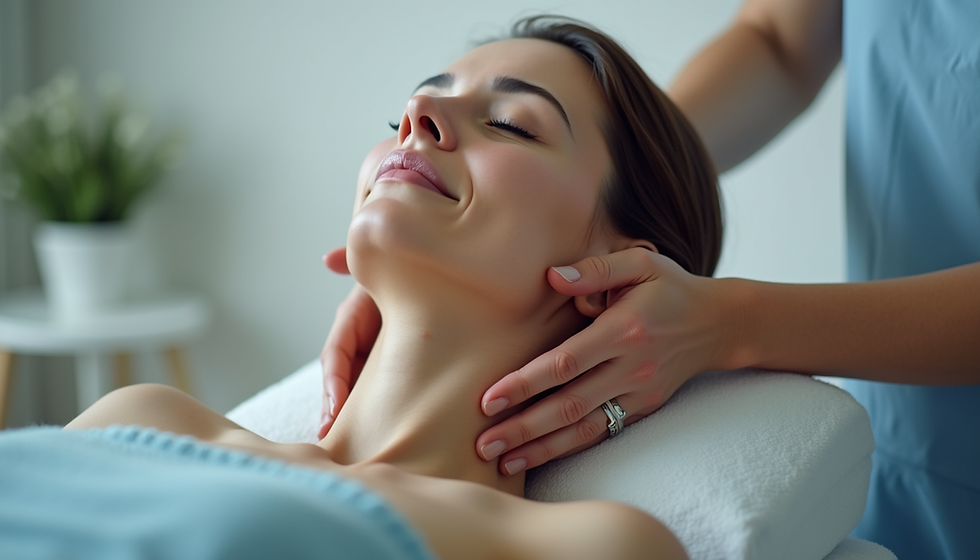
Medical Massage and Its Benefits for Breathlessness and Panic
Medical massage is a therapeutic approach that targets specific muscles and tissues to relieve pain, reduce tension, and improve bodily functions. It differs from general relaxation massage by focusing on medical conditions and symptoms.
How Medical Massage Helps Breathing
Tension in the chest, neck, and upper back muscles can restrict lung expansion and make breathing feel harder. Medical massage works to:
Loosen tight muscles around the rib cage and shoulders
Improve posture to allow fuller lung capacity
Reduce muscle spasms that interfere with breathing
Promote relaxation of the nervous system to lower stress levels
By addressing these physical barriers, massage can help restore easier, deeper breathing.
Techniques Used in Medical Massage for Breathlessness
Several massage techniques support breathing and reduce panic symptoms:
Myofascial Release: Gently stretches and loosens connective tissue around the chest and ribs, improving mobility.
Trigger Point Therapy: Targets specific tight spots in muscles that cause referred pain or tension, especially in the upper back and neck.
Deep Tissue Massage: Applies firm pressure to break down muscle knots and improve circulation.
Diaphragmatic Massage: Focuses on the diaphragm muscle to encourage proper breathing mechanics.
Lymphatic Drainage: Light, rhythmic strokes that reduce swelling and improve fluid movement, which can ease chest congestion.
These techniques help relax the body and reduce the physical sensations that contribute to panic.
Practical Tips to Manage Breathlessness and Panic
While medical massage can provide relief, combining it with other strategies improves results:
Practice slow, deep breathing: Focus on breathing from the diaphragm rather than shallow chest breaths.
Use grounding techniques: Engage your senses to stay present and reduce panic.
Maintain good posture: Avoid slouching to allow full lung expansion.
Stay active: Gentle exercise can improve lung function and reduce anxiety.
Seek professional help: Consult healthcare providers for diagnosis and treatment of underlying conditions.
Medical massage can be part of a broader plan to manage symptoms and improve quality of life.
When to See a Doctor
Breathlessness and panic can sometimes signal serious health issues. Seek medical advice if you experience:
Sudden, severe difficulty breathing
Chest pain or pressure
Fainting or severe dizziness
Persistent or worsening symptoms despite treatment
A healthcare professional can diagnose the cause and recommend appropriate interventions.
Breathlessness and panic often feed into each other, creating a challenging cycle to break. Understanding the causes, from anxiety to asthma, helps in managing these symptoms effectively. Medical massage offers a valuable tool by relaxing muscles, improving breathing mechanics, and calming the nervous system. Combining massage with mindful breathing and professional care can provide meaningful relief and support a calmer, more controlled breathing experience. If you struggle with these symptoms, consider exploring medical massage as part of your wellness routine and consult your healthcare provider for personalized guidance.
For free consultation call 857-262-9468;
Book for Service with Hybrid Therapeutic Massage


Comments