
Exploring the Clinical Massage Approach to Alleviate Vertigo Symptoms
Updated: Aug 28
Vertigo can disrupt daily life with its unsettling sensation of spinning or dizziness. For many, finding relief becomes a priority, and clinical massage therapy offers a promising approach. This post explores how targeted massage techniques can help reduce vertigo symptoms, improve balance, and support overall well-being.
Understanding Vertigo and Its Impact
Vertigo is not a disease but a symptom indicating a problem with balance systems in the inner ear, brain, or sensory nerves. People with vertigo often experience:
A spinning sensation or dizziness
Nausea or vomiting
Difficulty standing or walking steadily
Headaches or ear discomfort
These symptoms can arise from conditions such as benign paroxysmal positional vertigo (BPPV), vestibular neuritis, or Meniere’s disease. The impact goes beyond physical discomfort, affecting mental health and daily activities.
How Clinical Massage Supports Vertigo Relief
Clinical massage focuses on therapeutic techniques tailored to specific health conditions. For vertigo, massage therapists target areas that influence balance and circulation, including the neck, shoulders, and upper back. The goals include:
Reducing muscle tension that may affect blood flow to the brain
Improving lymphatic drainage to decrease inflammation
Stimulating the nervous system to promote relaxation and balance
By addressing these factors, clinical massage can complement medical treatments and help manage vertigo symptoms more effectively.
Key Massage Techniques Used for Vertigo
Several massage methods show promise in alleviating vertigo symptoms. These include:
1. Cervical Massage
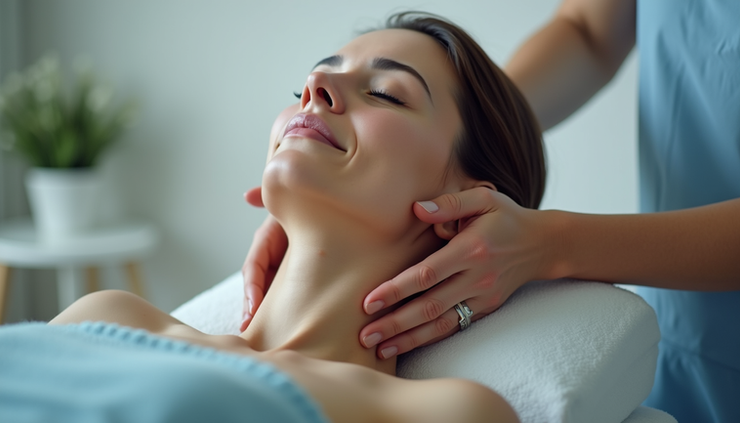
Tension in the neck muscles can restrict blood flow and nerve signals, worsening dizziness. Cervical massage involves gentle kneading and stretching of the neck muscles to:
Release tightness in the trapezius and sternocleidomastoid muscles
Improve circulation to the brain and inner ear
Enhance range of motion in the cervical spine
2. Myofascial Release
This technique targets the fascia, the connective tissue surrounding muscles. Myofascial release helps by:
Loosening adhesions that restrict movement
Reducing pressure on nerves linked to balance
Promoting relaxation of the head and neck region
3. Trigger Point Therapy
Trigger points are tight knots in muscles that can refer pain or discomfort elsewhere. Therapists apply focused pressure to these points to:
Relieve referred pain that may contribute to vertigo
Decrease muscle spasms
Restore normal muscle function
4. Lymphatic Drainage Massage
This gentle technique encourages the flow of lymph fluid, which can reduce inflammation and swelling around the head and neck. Benefits include:
Decreased pressure on vestibular nerves
Enhanced detoxification of tissues
Improved immune response
Practical Examples of Clinical Massage for Vertigo
Consider a patient with BPPV experiencing frequent dizziness triggered by head movements. A clinical massage therapist might:
Begin with cervical massage to ease neck stiffness
Use myofascial release around the base of the skull to reduce tension
Apply gentle lymphatic drainage to support fluid balance
Educate the patient on posture and gentle neck stretches to maintain benefits
In another case, a person with vestibular neuritis might receive trigger point therapy to relieve muscle pain that aggravates dizziness, combined with relaxation techniques to reduce stress.
Safety and Considerations
While clinical massage can support vertigo management, it is essential to:
Consult a healthcare provider before starting massage therapy
Ensure the therapist is trained in clinical and neurological massage techniques
Avoid aggressive or deep tissue massage that may worsen symptoms
Combine massage with prescribed medical treatments and vestibular rehabilitation exercises
Supporting Overall Balance and Well-being
Massage therapy is one part of a holistic approach to vertigo. Other helpful strategies include:
Vestibular rehabilitation exercises to retrain balance
Staying hydrated and maintaining a healthy diet
Managing stress through mindfulness or gentle physical activity
Avoiding sudden head movements that trigger dizziness
Together, these approaches can improve quality of life and reduce the frequency and severity of vertigo episodes.
We are here to take care of you at Hybrid Therapeutic Massage
Call: 8572629468
Hybrid therapy for chronic pain relief, for other services please feel free to contact us for free consultation.
Website: www.hybridtherapeuticmassage.com
Address: 120 College Ave, Somerville, MA. 02144


Comments