
How Medical Massage Transformed My Battle with Vertigo and Stress
Vertigo can strike without warning, turning everyday life into a dizzying challenge. When I faced vertigo triggered by stress and long hours working with large numbers, I never imagined that a simple massage could make such a difference. After consulting a doctor in Thailand, I followed an unexpected recommendation: get a Thai massage and deep tissue massage regularly. The results surprised me. This post shares my experience and explores how medical massage can help alleviate vertigo symptoms, especially when stress plays a role.

Understanding Vertigo and Its Connection to Stress
Vertigo is a sensation of spinning or dizziness that can disrupt balance and cause nausea. It often results from inner ear problems, but stress and tension can worsen symptoms or even trigger episodes. When I was overwhelmed by work, handling large amounts of data and tight deadlines, I noticed my vertigo episodes became more frequent and intense.
Stress affects the body in many ways. It tightens muscles, restricts blood flow, and can increase inflammation. These physical changes may impact the vestibular system, which controls balance. For me, the combination of mental pressure and physical tension created a cycle that made vertigo harder to manage.
My Visit to the Doctor and the Surprising Advice
During a particularly difficult phase, I sought medical help in Thailand. The doctor examined me and confirmed that stress was a major factor in my vertigo. Instead of focusing solely on medication, the doctor suggested I try regular massages at a place opposite the hospital. This advice felt unusual but hopeful.
The doctor explained that massage could relieve muscle tension, improve circulation, and promote relaxation. These benefits might reduce vertigo symptoms by easing the physical stress on my body. The recommendation was clear: start with a two-hour session combining Thai massage and deep tissue massage, then continue with regular treatments and daily exercise.
What Thai Massage and Deep Tissue Massage Involve
Thai massage is a traditional therapy combining gentle stretching, acupressure, and rhythmic compression. It aims to improve flexibility, release tension, and balance energy flow. Deep tissue massage focuses on reaching deeper muscle layers to break down knots and relieve chronic muscle tightness.
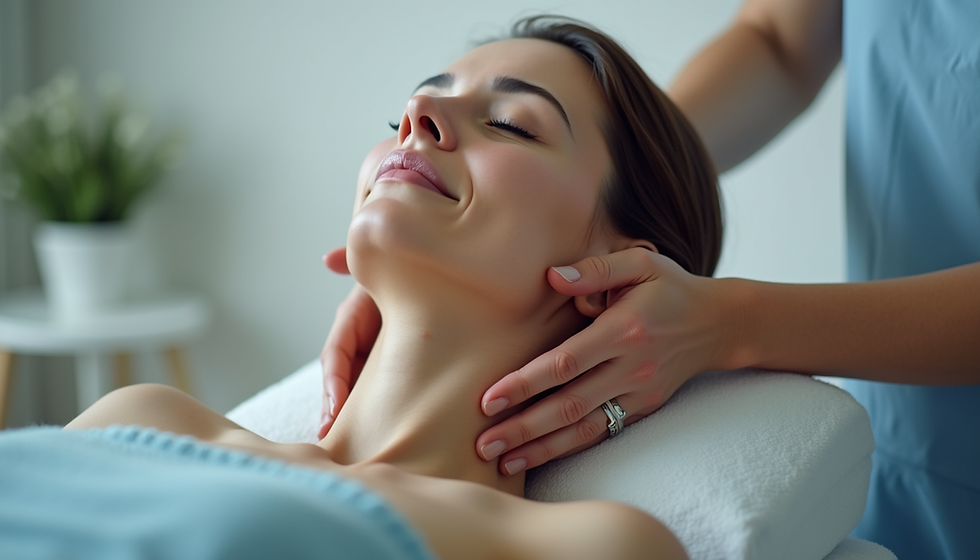
During my first session, the therapist worked on my neck, shoulders, and back—areas where I held the most tension. The experience was intense but not painful. I felt my muscles gradually loosen and my body relax deeply.
Immediate and Long-Term Benefits I Experienced
After the massage, I noticed an immediate sense of calm and reduced stiffness. Over the next few days, my vertigo episodes became less frequent and less severe. The dizziness that once disrupted my focus at work diminished, allowing me to concentrate better.
Following the doctor's advice, I committed to regular massages every week and added at least one hour of daily exercise, including walking and gentle stretching. This routine helped me maintain muscle flexibility and reduce stress levels.
Why Regular Massage and Exercise Matter
Massage alone can provide relief but combining it with exercise creates a stronger effect. Exercise improves blood flow, strengthens muscles, and releases endorphins, natural mood boosters. Together, massage and exercise address both the physical and mental aspects of vertigo caused by stress.
Consistency is key. Regular sessions prevent muscle tightness from building up again, while daily movement keeps the body agile and balanced. This approach helped me regain control over my vertigo and improved my overall well-being.
Practical Tips for Those Considering Medical Massage for Vertigo
If you experience vertigo linked to stress, here are some steps to consider:
Consult a healthcare professional to rule out serious causes and get personalized advice.
Find a qualified massage therapist experienced in Thai and deep tissue massage.
Start with a longer session (around two hours) to allow thorough muscle release.
Commit to regular treatments to maintain benefits.
Incorporate daily exercise such as walking, yoga, or stretching.
Practice stress management techniques like deep breathing or meditation.
Monitor your symptoms and adjust your routine as needed.
What Science Says About Massage and Vertigo
Research on massage therapy for vertigo is limited but promising. Studies show massage can reduce muscle tension and improve circulation, which may help relieve dizziness related to stress and muscle tightness. Some patients report fewer vertigo episodes and better balance after regular massage treatments.
Medical experts often recommend combining massage with physical therapy and lifestyle changes for best results. While massage is not a cure, it can be a valuable part of a comprehensive approach to managing vertigo.
My Journey Beyond Vertigo: Stress Relief and Better Health
Beyond easing vertigo, regular massage helped me manage stress more effectively. The calming effect improved my sleep and mood, making it easier to handle work pressures. Exercise boosted my energy and resilience.
This experience taught me the importance of listening to my body and taking proactive steps to maintain health. Medical massage became more than a treatment; it became a tool for balance and well-being.
The Real Story from the owner of Hybrid Therapeutic Massage. Call 8572629468
Website: www.hybridtherapeuticmassage.com.
Address: 120 College Ave, Somerville, MA 02144

Comments