
The Connection Between Prolonged Sitting, Sciatica Nerve Pain, and the Healing Power of Massage
Sitting for long hours has become a common part of modern life. Whether it’s working at a desk, driving, or relaxing in front of the TV, many people spend most of their day seated. While this may seem harmless, extended sitting can lead to serious health issues, including sciatica nerve pain. Understanding why prolonged sitting causes this pain and how massage can help relieve it offers practical ways to improve comfort and mobility.
Why Prolonged Sitting Causes Sciatica Nerve Pain
Sciatica refers to pain that radiates along the path of the sciatic nerve, which runs from the lower back through the hips and buttocks and down each leg. This pain often results from pressure or irritation of the nerve roots in the lower spine.
How Sitting Affects the Sciatic Nerve
When you sit for long periods, especially with poor posture, several things happen that can contribute to sciatica:
Increased Pressure on the Lower Spine: Sitting compresses the discs in the lumbar spine, especially if you slouch or lean forward. This pressure can cause disc bulges or herniations that press on the sciatic nerve roots.
Tightening of the Piriformis Muscle: The piriformis muscle, located deep in the buttocks, can become tight or inflamed from prolonged sitting. Since the sciatic nerve passes close to or through this muscle, tightness can irritate the nerve, causing pain.
Reduced Blood Flow: Sitting limits circulation in the lower body. Poor blood flow can lead to inflammation and nerve sensitivity.
Weakening of Core and Gluteal Muscles: Lack of movement weakens muscles that support the spine and pelvis, increasing the risk of nerve compression.
Common Symptoms Linked to Sitting-Induced Sciatica
People who experience sciatica from sitting often report:
Sharp or burning pain radiating from the lower back to the leg
Numbness or tingling sensations in the leg or foot
Muscle weakness in the affected leg
Pain that worsens after sitting for a long time and improves with standing or walking
Real-Life Example
Consider an office worker who spends eight hours a day seated at a desk. Over time, they notice increasing lower back pain that shoots down their right leg. The pain intensifies after long meetings or commuting. This scenario is typical of sitting-related sciatica caused by pressure on the lumbar discs and tightness in the buttock muscles.
How Massage Can Help Reduce Sciatica Pain
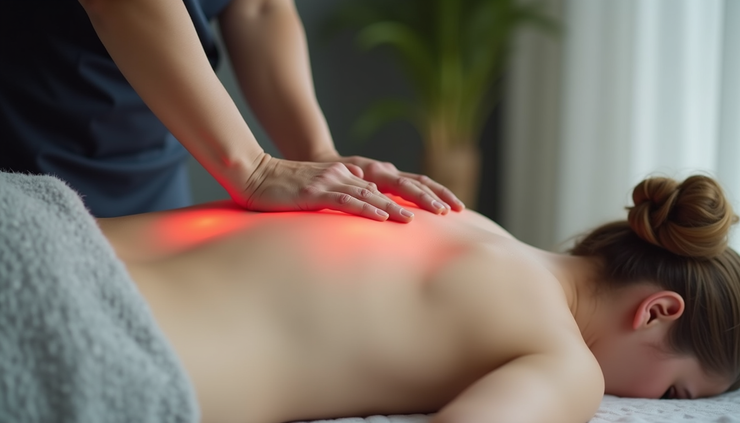
Massage therapy offers a natural way to relieve sciatica pain by addressing the underlying causes related to muscle tension, circulation, and nerve irritation.
Benefits of Massage for Sciatica
Relieves Muscle Tightness: Massage targets tight muscles like the piriformis, helping to release tension and reduce pressure on the sciatic nerve.
Improves Blood Circulation: Enhanced blood flow from massage helps reduce inflammation and promotes healing in affected tissues.
Reduces Pain and Inflammation: Massage stimulates the release of endorphins, the body’s natural painkillers, which can ease discomfort.
Enhances Mobility: By loosening stiff muscles and improving flexibility, massage supports better posture and movement, reducing the risk of further nerve irritation.
Supports Stress Reduction: Chronic pain often increases stress, which can worsen muscle tension. Massage helps calm the nervous system, breaking this cycle.
Types of Massage Effective for Sciatica
Deep Tissue Massage: Focuses on deeper layers of muscle and connective tissue to relieve chronic muscle tension.
Trigger Point Therapy: Targets specific tight spots or knots in muscles that refer pain along the sciatic nerve.
Myofascial Release: Works on the fascia, the connective tissue surrounding muscles, to improve flexibility and reduce nerve compression.
Swedish Massage: Uses gentle strokes to promote relaxation and improve circulation, helpful for mild sciatica symptoms.
Practical Tips for Using Massage to Manage Sciatica
Schedule regular sessions with a licensed massage therapist experienced in treating sciatica.
Combine massage with stretching exercises to maintain muscle flexibility.
Use self-massage tools like foam rollers or massage balls to target tight areas at home.
Pay attention to posture and take breaks from sitting to move and stretch throughout the day.
.
Additional Strategies to Prevent Sciatica from Prolonged Sitting
While massage helps manage symptoms, preventing sciatica starts with lifestyle changes that reduce the strain caused by sitting.
Improve Sitting Posture
Sit with your back straight and shoulders relaxed.
Use a chair that supports the natural curve of your spine.
Keep feet flat on the floor or on a footrest.
Avoid crossing your legs to maintain proper pelvic alignment.
Take Frequent Breaks
Stand up and walk for a few minutes every 30 to 60 minutes.
Stretch your lower back, hips, and legs regularly.
Incorporate simple exercises like hip flexor stretches and hamstring stretches.
Strengthen Core and Gluteal Muscles
Engage in exercises that build core stability, such as planks and bridges.
Strong muscles support the spine and reduce pressure on the sciatic nerve.
Use Ergonomic Tools
Consider a standing desk or adjustable workstation.
Use cushions or lumbar rolls to support your lower back.
When to See a Doctor
If sciatica pain persists despite lifestyle changes and massage, or if you experience severe symptoms such as:
Loss of bladder or bowel control
Severe weakness or numbness in the leg
Intense, unrelenting pain
Seek medical advice promptly. A healthcare professional can evaluate your condition and recommend treatments such as physical therapy, medications, or in rare cases, surgery.
Prolonged sitting can cause sciatica nerve pain by increasing pressure on the lower spine and tightening muscles that irritate the nerve. Massage therapy offers a valuable way to reduce this pain by loosening tight muscles, improving circulation, and promoting relaxation. Combining massage with good posture, regular movement, and strengthening exercises creates a strong defense against sciatica. Taking these steps helps maintain comfort and mobility, allowing you to sit with less pain and more ease. If pain continues or worsens, consult a healthcare provider for tailored care.
We have many years of experience to heal the sciatica pain, piriformis and office syndrome, please feel free to get free consultation 857-262-9468
Booking with us for help to alleviate your pain,



Comments