
Can Stress Cause Neck and Shoulder Tightness and How Massage Helps Release It
A tight neck after a stressful day is not “all in your head.” Stress can change how you breathe, sit, clench, sleep, and hold your muscles. Over time, the neck and shoulders can feel stiff, sore, heavy, or knotted, even if there was no injury.
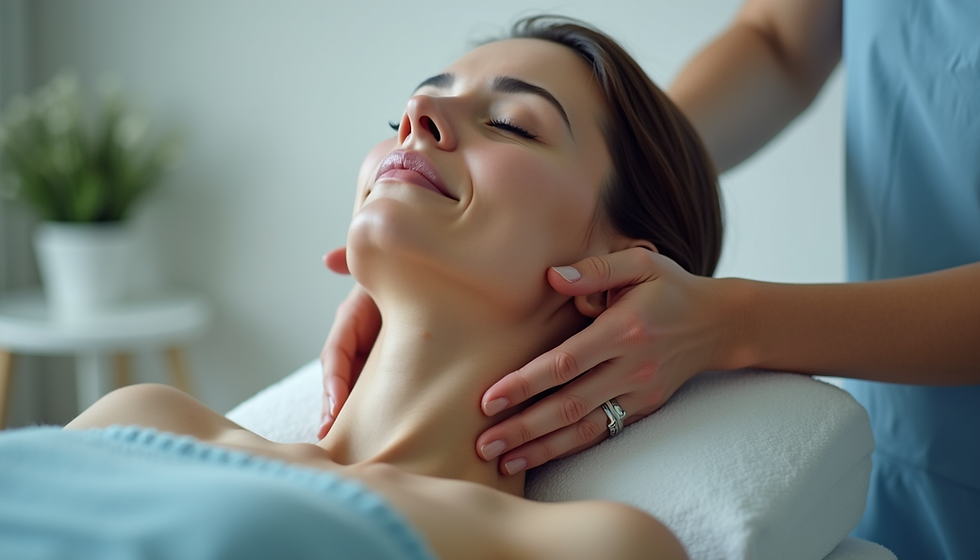
Massage can help because it works on more than sore tissue. It can calm the nervous system, improve local circulation, reduce muscle guarding, and help the body shift out of a braced, tense state. The goal is not to force muscles into relaxing. It is to give the body enough safety, pressure, movement, and time to let go.
This article is for general education and is not a medical diagnosis. If pain is severe, sudden, linked to an injury, or comes with numbness, weakness, chest pain, fever, dizziness, or trouble speaking, seek medical care.

Why stress can make the neck and shoulders tight
Stress triggers a protective response. When the brain senses pressure, threat, urgency, or emotional strain, the body prepares to act. Heart rate may rise. Breathing may get shallow. The jaw may clench. Shoulders may creep upward. The neck may stiffen.
That response is useful in short bursts. The problem starts when the body does not fully come back down.
The neck and shoulders are especially sensitive to stress because they sit at the crossroads of posture, breathing, vision, and emotion. A few common patterns show up again and again.
Your shoulders may stay lifted without you noticing
When stress builds, many people unconsciously raise the shoulders toward the ears. This keeps the upper trapezius and levator scapulae muscles switched on. These muscles help lift and stabilize the shoulder blade, but they were not meant to stay contracted for hours.
Over time, that low-level effort can feel like:
A dull ache at the top of the shoulders
A stiff band across the upper back
Tender spots near the base of the skull
A “coat hanger” feeling from the neck to the shoulders
The tension may ease during a vacation, a restful weekend, or after a good massage, which is a clue that stress and nervous system load are part of the picture.
Shallow breathing can overwork neck muscles
Stress often changes breathing. Instead of slow belly and rib movement, breathing may become quick and high in the chest.
When that happens, small muscles in the neck may help lift the rib cage with each breath. They can handle this during exercise or short stress spikes, but constant chest breathing can leave them tired and tight.
This is one reason neck tightness and anxiety can feed each other. Tight neck muscles make breathing feel restricted. Restricted breathing tells the brain something is wrong. The body braces more.
Jaw clenching can travel into the neck
The jaw, neck, and head work together. Clenching the teeth, grinding at night, or holding the tongue tight against the roof of the mouth can increase tension through the temples, throat, upper neck, and shoulders.
People who wake with a sore jaw, headaches, or neck stiffness may be clenching during sleep. Massage can help surrounding muscles relax, but dental support may also be needed if grinding is frequent.
Stress can change posture and movement
Stress rarely acts alone. During busy or emotionally demanding periods, people often move less, sleep worse, exercise differently, and spend more time in fixed positions. Phone use, driving, reading in bed, and long screen sessions can keep the head forward and shoulders rounded.
That position does not automatically cause pain, but staying there for long periods can irritate already tense muscles.
The pattern matters more than one “bad” posture. A neck that moves often usually feels better than one held stiffly all day.
What tightness from stress can feel like
Stress-related neck and shoulder tightness can vary from mild stiffness to nagging pain. It may come and go with workload, sleep, emotions, or periods of worry.
Common signs include:
Tightness across the tops of the shoulders
A stiff neck that feels worse at the end of the day
Tender knots near the shoulder blade
Headaches that start at the base of the skull
A heavy or tired feeling in the upper back
Reduced range of motion when turning the head
Jaw, temple, or scalp tenderness
Pain from stress tension is often achy, dull, or pressure-like. It may improve with warmth, gentle movement, rest, or massage.
Sharp, electric, spreading, or severe symptoms deserve more care. Neck pain with arm weakness, numbness, loss of coordination, unexplained weight loss, fever, or pain after a fall or car crash should be checked by a health professional.
How massage helps release neck and shoulder tightness
Massage does not “break up toxins” or force knots to disappear. A better way to understand it is this: massage gives the nervous system helpful input.
Skilled touch can tell the body that an area is safe enough to soften. Pressure, warmth, rhythm, and slow movement can reduce guarding. Massage may also improve local blood flow, ease soreness, and help the brain update how it senses the tight area.
Massage can calm the stress response
Slow, steady massage can support the body’s relaxation response. Breathing slows. Muscles stop bracing as much. The body may shift away from high alert.
This matters because many tight necks are not just mechanically tight. They are protected. The muscles are doing their best to guard the head, shoulders, and spine during stress.
A massage that feels safe, comfortable, and unhurried often works better than one that is painfully intense.
Massage can reduce muscle guarding
When a muscle is sore or overworked, the body may guard it by keeping it semi-contracted. That can limit motion and increase discomfort.
Massage can interrupt this loop. Gentle kneading, gliding, compressions, and trigger point work may help the muscle reduce its tone. When the area feels less threatened, movement often feels easier.
Massage can help you notice hidden tension
Many people do not realize how much they are holding until someone works on the area. During a session, they may notice the shoulders drop, the jaw unclench, or the breath deepen.
That awareness is useful outside the massage room. Once you know your stress pattern, you can catch it earlier.
For example:
Shoulders near the ears may mean you need a pause.
Jaw clenching may mean you need to soften the tongue and exhale.
Neck stiffness after screen time may mean you need movement, not more force.

The best massage approaches for stress tension
Different styles can help, but the right intensity matters most. Stress tension often responds well to slow, moderate pressure and steady pacing.
Swedish massage works well for general stress
Swedish massage uses long strokes, kneading, and gentle rhythmic work. It is a good choice when stress is high, sleep is poor, or the whole body feels tense.
This style can be especially helpful if the neck and shoulders are tight because the nervous system is overloaded. A full-body approach may work better than focusing only on the painful spot.
Trigger point work can target stubborn knots
Trigger points are tender areas that may refer discomfort to nearby regions. In the neck and shoulders, they may contribute to headaches, shoulder blade pain, or tight bands of muscle.
Good trigger point work should feel like “good pain,” not something you have to brace against. The pressure is usually held until the tissue softens or the sensation changes.
If you hold your breath, grip the table, or tense up, the pressure is probably too much.
Myofascial work can help broad tightness
Fascia is connective tissue that surrounds and connects muscles. Myofascial techniques often use slow, sustained contact rather than fast rubbing.
This can help when tightness feels broad, stuck, or spread across the neck, chest, shoulders, and upper back. It may pair well with gentle stretching and breath work.
Chair massage can help during busy weeks
A short chair massage can reduce shoulder and neck tension when time is limited. It is not a full reset, but it can interrupt the stress cycle.
Even 10 to 20 minutes of focused work on the upper back, shoulders, neck, and scalp may help the body downshift.
How to release neck and shoulder tightness with self-massage
Self-massage can help between professional sessions. Keep it gentle and consistent. More pressure is not always better.
Use this simple routine once a day or during a stressful stretch. Stop if symptoms increase, spread, or feel sharp.
Start by lowering the shoulders
Sit or stand comfortably. Let the shoulders rise toward the ears as you inhale. Drop them slowly as you exhale.
Repeat this 5 times.
Then place one hand on your chest and one on your belly. Breathe slowly through the nose if comfortable. Let the ribs move out and down, rather than lifting the shoulders.
This prepares the nervous system for touch.
Warm the tops of the shoulders
Place your right hand on your left upper shoulder. Use a relaxed grip and knead the muscle between the base of the neck and the outside of the shoulder.
Move slowly. Try small circles, gentle squeezing, and broad pressure with the palm.
Spend 60 to 90 seconds on each side.
Keep the jaw soft. Let the tongue rest. If you notice yourself clenching, reduce the pressure.
Use a ball for the upper back, not the front of the neck
Place a tennis ball or massage ball between your upper back and a wall. Aim for the area between the shoulder blade and spine, not directly on the spine.
Bend the knees slightly and let the ball press into tender spots. Hold gentle pressure for 20 to 30 seconds, then move to another spot.
Avoid rolling aggressively. Slow contact works better for stress tension.
Do not press deeply into the front or side of the neck. That area contains sensitive structures. Leave deep neck work to a trained professional.
Release the base of the skull
The suboccipital muscles sit at the base of the skull. They often tighten with stress, screen use, jaw clenching, and headaches.
Lie on your back. Place two tennis balls in a sock and rest them under the base of your skull, not under the neck itself. Let your head feel supported.
Rest there for 1 to 2 minutes. Breathe slowly. You can make tiny “yes” nods if it feels comfortable.
The pressure should feel mild and soothing.
Finish with gentle range of motion
After massage, move the neck slowly:
Turn the head right and left.
Tilt one ear toward the shoulder, then switch.
Look slightly down, then return to neutral.
Roll the shoulders backward a few times.
Avoid fast neck circles if they make you dizzy or pinch.
The goal is easy movement, not a deep stretch.
How much pressure should massage use
Pressure should be enough to feel useful but not so much that the body fights back.
A good guide is the 1 to 10 scale:
Pressure level | What it feels like | Best use |
1 to 3 | Light and calming | High stress, soreness, poor sleep |
4 to 6 | Firm but comfortable | Most neck and shoulder tension |
7 | Intense but manageable | Short, targeted work only |
8 to 10 | Painful or bracing | Usually too much for stress tension |
If the body tightens during massage, the tissue is not releasing. It is defending.
After massage, mild soreness can happen, much like after exercise. It should fade. Pain that gets worse the next day, causes headaches, or limits movement means the pressure may have been too strong.
What to do after massage so tightness does not return quickly
Massage can release tension, but daily habits help the results last. The neck and shoulders respond well to small resets spread through the day.
Try these simple habits:
Take a 30-second shoulder drop every hour.
Keep the jaw loose when concentrating.
Change positions often instead of searching for perfect posture.
Walk for a few minutes after long sitting.
Use heat on the shoulders for 10 to 15 minutes when tension builds.
Keep pillows supportive without pushing the head too far forward.
Pair stretching with slow breathing, not force.
Stress-related tightness often returns when the same stress pattern returns. That does not mean massage failed. It means the body needs repeated reminders of safety, movement, and rest.
A helpful routine might be:
Gentle self-massage on tense days
Professional massage every few weeks during high-stress periods
Daily breath and movement breaks
Better sleep support when possible
Medical or mental health care when pain or stress feels unmanageable
When to see a professional
A licensed massage therapist can work more precisely than most people can on their own. They can check how the shoulders, upper back, chest, jaw, and neck relate to each other. They can also adjust pressure and technique based on how the tissue responds.
Tell the therapist if you have:
A recent injury
Migraines or frequent headaches
Numbness or tingling
A history of neck surgery
Osteoporosis or spinal conditions
Blood clot risk
Pregnancy
Skin irritation or infection
Pain that worsens with pressure
Good massage should feel collaborative. You should be able to ask for lighter pressure, a different position, extra support under the knees, or less time on a sensitive area.
For ongoing or severe symptoms, massage may work best as part of a broader plan with a physician, physical therapist, dentist, counselor, or other qualified professional.
A simple takeaway
Stress can cause neck and shoulder tightness because the body braces, breathes differently, clenches, and holds protective tension. Massage helps by calming the nervous system, easing muscle guarding, and bringing awareness back to the places that stay tense.
Start gently. Use slow pressure, easy breathing, and small movements. If the body softens, the pressure is right. If it braces, back off.
The most lasting relief usually comes from combining massage with daily stress resets. A few minutes of attention each day can keep a stressful week from settling permanently into your neck and shoulders.
If you don't like to massage yourself to reduce stress, please call or book with us, we have several services to calm down stress and relief tensions.
At Hybrid Therapeutic Massage, we provide free consultation for the massage related based on your health conditions, budget, and time to maximize pain alleviation.
! Call for free consultation: 857-262-9468
! Booking: Hybrid Therapy (Chronic pain), Deep tissue, Myofascial Release, Swedish, Neck & shoulder, Thera Chair, or Scalp massage to release stress and anxiety on www.hybridtherapeuticmassage.com/book-online
! Visit our website to learn more at: www.hybridtherapeuticmassage.com


Comments